

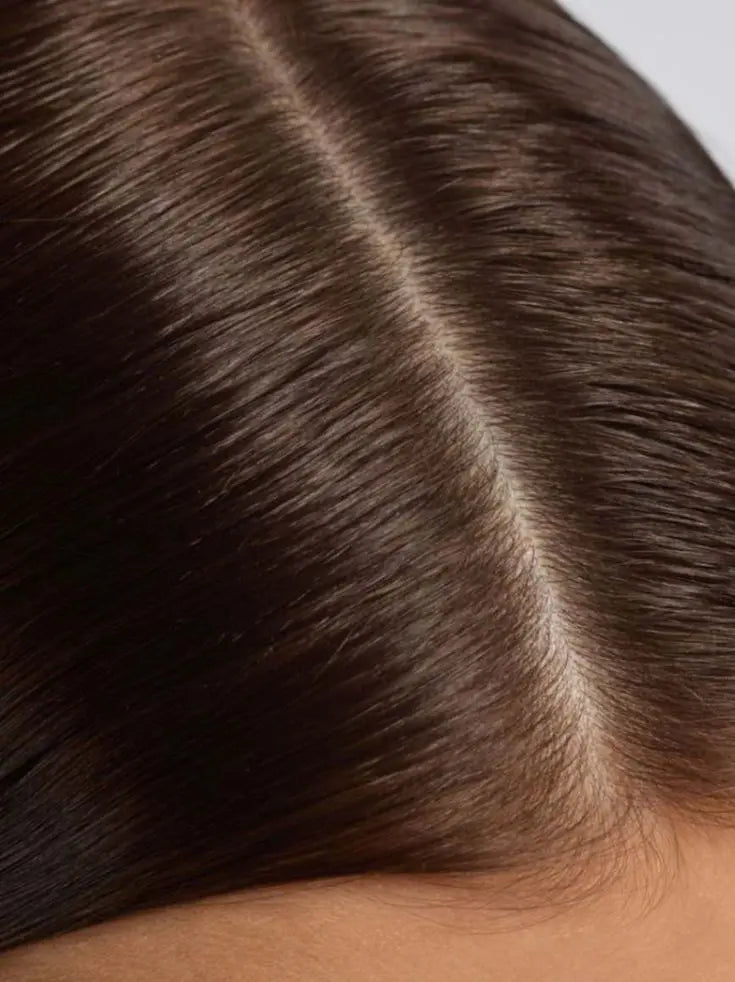
Healthy hair begins at the scalp. Because the scalp is skin, it requires proper care and balance to function well. When that balance is disrupted, hair may appear dull, feel weaker, or shed more than usual. Giving consistent attention to scalp health can significantly improve the way hair looks, feels, and grows.
Understanding Your Scalp
The scalp has its own natural balance of oil, hydration, and sensitivity - much like the skin on the face. Everyone’s scalp behaves differently, and recognizing those differences can help guide the right hair care routine.
Dry scalp
Often feels tight and may show visible flakes. Gentle cleansing combined with regular hydration can help support the scalp’s natural barrier and improve comfort.
Oily scalp
Produces more sebum, which can lead to buildup or a greasy feeling between washes. This type of scalp may benefit from more frequent cleansing using balanced formulas that remove excess oil without stripping the skin.
Sensitive scalp
Can react easily to certain ingredients, temperature changes, or friction. Mild, minimal formulations are typically best to help reduce irritation and maintain comfort.
Balanced scalp
Shows no clear signs of excess oil, dryness, or sensitivity. Maintaining a consistent routine can help preserve this balance over time.
The Importance of Cleansing
Cleansing plays a key role in maintaining scalp health. Throughout the week, sweat, oil, styling products, and dead skin cells accumulate on the scalp. Washing helps remove this buildup and keeps the scalp environment balanced.
However, over-cleansing or using harsh shampoos can disrupt the scalp’s natural barrier, leaving it dry or uncomfortable. Choosing a gentle shampoo that cleans effectively while maintaining hydration is essential.
Supporting Scalp Hydration
Hydration is often overlooked in hair care routines, yet it is just as important for the scalp as it is for facial skin. Environmental stress, styling tools, and heat can gradually dry out the scalp.
Lightweight scalp serums or hydrating treatments can help maintain moisture levels and support overall scalp comfort.
Ingredients That Support Scalp Health
Peptides: Often used in hair serums to help support thicker, fuller-looking hair.
Caffeine: Frequently included in scalp treatments designed to support the appearance of hair density.
Argan oil: A lightweight oil rich in fatty acids and antioxidants that helps soften, condition, and add shine to both scalp and hair.
The Benefits of Scalp Massage
Gentle scalp massage can help stimulate circulation and improve blood flow to the scalp. This may support healthier-looking hair while also helping products absorb more effectively.
Using a lightweight oil during massage can improve glide and provide additional hydration, especially for dry or tight-feeling scalps.
Building a Simple Scalp Care Routine
A good scalp routine doesn’t need to be complicated. Separating daily care from weekly treatments can help maintain balance while addressing different scalp needs.
Daily or As Needed
• Cleanse the scalp to remove sweat, oil, and product buildup using a gentle shampoo.
• Apply conditioner to maintain softness and support hair manageability.
• Use lightweight oils or serums if additional hydration is needed.
Weekly Care
• Exfoliate the scalp to remove buildup and dead skin cells that may interfere with healthy scalp function.
Adjusting Your Routine for Your Scalp
Dandruff or flaking
Regular exfoliation and proper hydration can help reduce buildup and maintain moisture balance.
Irritation or itchiness
Choose gentle formulations and focus on soothing and hydrating the scalp.
Excess oil
Cleanse consistently with balanced shampoos while avoiding excessive washing that can trigger more oil production.
Hair thinning or shedding
Maintaining a clean, hydrated scalp environment can support healthier-looking hair over time.
Final Thoughts
Healthy hair doesn’t exist independently from overall wellbeing. Factors such as sleep quality, stress levels, nutrition, and lifestyle habits can all influence scalp balance and hair health.
By combining supportive daily habits with a consistent scalp care routine, it’s possible to maintain a comfortable scalp environment and encourage stronger, healthier-looking hair over time.